
Understanding the psychology behind gambling behavior A deep dive into decision-making processes
The Basics of Gambling Psychology
Gambling behavior is deeply rooted in psychological principles that dictate how individuals make decisions. Understanding these principles is crucial for recognizing the motivations behind gambling. The interplay between risk-taking and reward-seeking often drives individuals to engage in gambling activities, including top online casinos. This complex relationship can lead to patterns of behavior that are both intriguing and concerning.
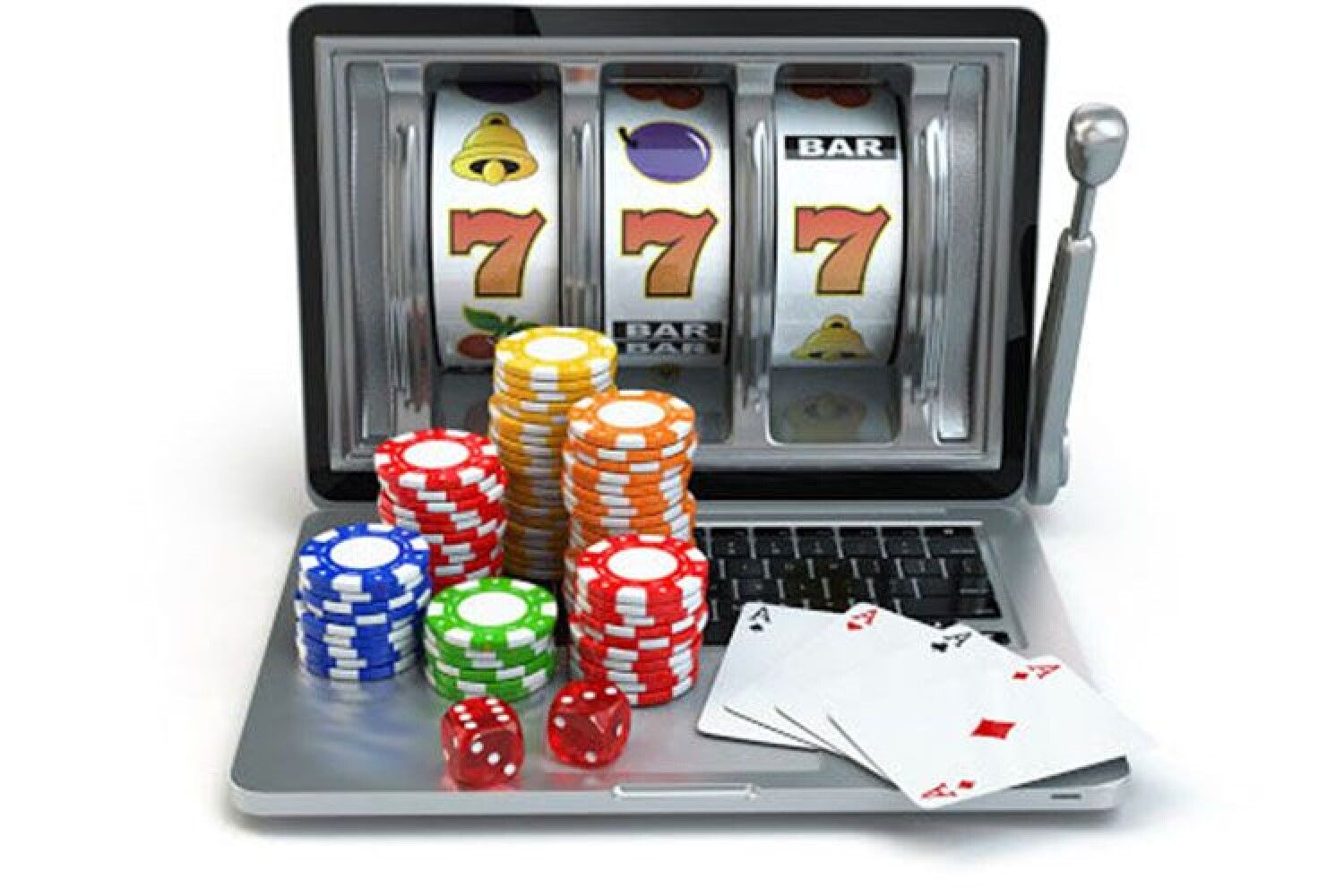
At the core of gambling psychology is the concept of cognitive biases. Gamblers frequently exhibit tendencies such as the illusion of control, where they believe they can influence outcomes that are entirely random. This cognitive distortion significantly impacts their decision-making processes, leading to continued engagement despite negative experiences.
Emotional Triggers and Gambling
Emotions play a pivotal role in gambling behavior. Many individuals gamble to escape negative emotions or to enhance positive feelings. The adrenaline rush associated with gambling can serve as a temporary escape from reality, offering a sense of thrill and excitement. However, reliance on gambling as an emotional coping mechanism can lead to harmful consequences. Furthermore, understanding how gambling myths debunked clarify the motivations behind such behaviors is essential.
Additionally, the highs and lows of gambling can create a rollercoaster of emotions. Winning may induce feelings of euphoria, while losses can trigger disappointment and frustration. This emotional fluctuation can perpetuate the gambling cycle, as individuals often seek to recapture the thrill of their previous wins, leading to further gambling.
Social Influences on Gambling Behavior
The social environment significantly impacts gambling behavior. Peer influence, societal norms, and cultural attitudes toward gambling can all shape an individual’s decision-making process. For example, individuals are more likely to engage in gambling activities when surrounded by others who view gambling positively.
Moreover, social validation can amplify gambling tendencies. The presence of friends or acquaintances during gambling can create a sense of camaraderie, encouraging individuals to gamble more than they otherwise would. Understanding these social dynamics is essential for identifying why certain individuals may gamble excessively.
The Role of Myths in Gambling Decisions
Misinformation and myths surrounding gambling can lead to misguided decision-making. Many gamblers believe in “lucky” strategies or systems that can overcome the inherent odds of games. This belief can result in poor financial decisions and increased gambling frequency, as individuals chase losses or try to validate these myths.
Debunking these myths is essential for fostering healthier gambling behavior. Education and awareness regarding the realities of gambling odds can help individuals make more informed decisions and recognize when their beliefs may be clouding their judgment.

Supporting Responsible Gambling on Our Platform
Our platform is dedicated to promoting responsible gambling and providing resources for those who may struggle with gambling behavior. By fostering an understanding of the psychological factors at play, we aim to encourage informed decision-making and help users recognize when to seek assistance.
We believe that education is key to mitigating the risks associated with gambling. Through our initiatives, we strive to create a supportive environment that prioritizes user well-being and offers guidance for those navigating the complexities of gambling psychology.